Morocco's e-commerce market has grown consistently but remains underdeveloped relative to GDP. The constraint is not consumer appetite - it is trust, payment friction, and logistics. Understanding these specifically is what separates Moroccan e-commerce projects that succeed from those that launch and stall.
CMI Payment Integration Is Non-Negotiable
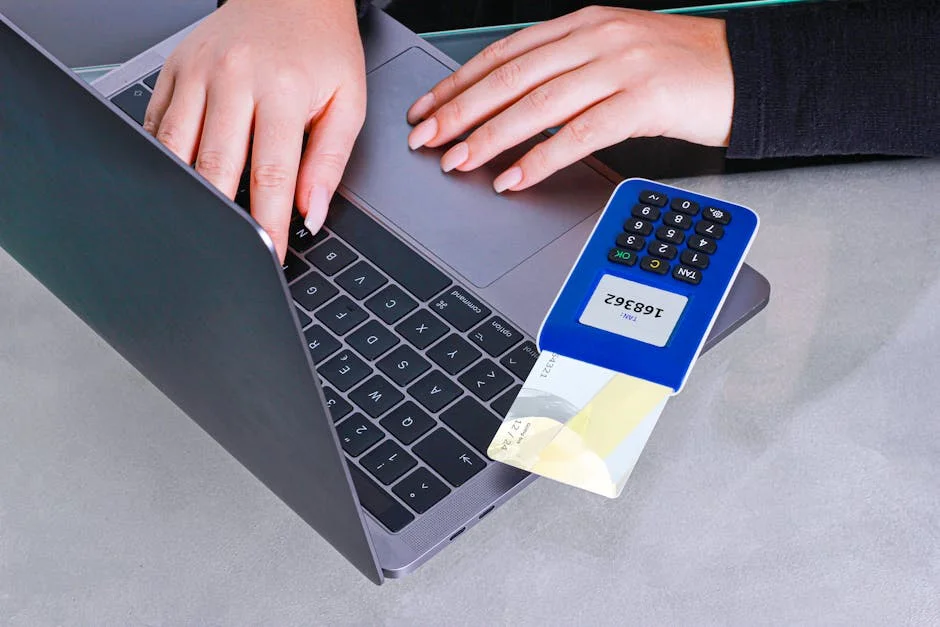
Cash on delivery (paiement à la livraison) accounts for 60-70% of Moroccan e-commerce transactions depending on sector. But the businesses growing in 2026 are those adding CMI (Centre Monétique Interbancaire) card payment alongside COD - not replacing it. CMI integration requires a registered Moroccan business entity (SARL, auto-entrepreneur), a bank agreement, and technical implementation. WooCommerce CMI modules exist but require careful configuration. I have integrated CMI on 30+ Moroccan e-commerce projects since 2018.
Mobile-First or Not at All
75%+ of Moroccan e-commerce traffic is mobile. Product pages with images larger than 150KB, checkout flows requiring 6+ steps, and forms not optimized for mobile keyboards all destroy conversion. The mobile checkout experience in Morocco needs to be: fast (under 3 seconds LCP), minimal (3 steps maximum to purchase), and trust-visible (CMI logo, SSL indicator, phone number visible).
Logistics Reality
The main delivery providers in Morocco - Amana Express, Chronopost Maroc, Jumia Logistics - have 1-3 day delivery in major cities and 3-7 days nationally. Integrating tracking confirmation emails (automated, in French and Arabic) reduces customer service workload by 40-60% based on data from Moroccan stores I have managed. Return policy visibility before purchase is a significant trust signal - state it clearly in the product page, not only in the footer.
Ramadan and Seasonal Patterns
Moroccan e-commerce has predictable seasonal peaks: Ramadan (consumer goods spike 3-4 weeks before), Aïd al-Fitr (fashion and gifts), and a growing November Black Friday effect. Launch timing matters: avoid technical launches during Ramadan - user behavior is different and your team's availability is reduced. Plan launches for September-October or January-February.
FAQ
WooCommerce or PrestaShop for a Moroccan e-commerce?
WooCommerce for flexibility and ecosystem depth; PrestaShop for large catalogs (500+ products) where native catalog management is a priority. Both have reliable CMI integration. Shopify is growing in Morocco but CMI integration requires third-party work and ongoing fees.
What budget for a serious Moroccan e-commerce?
A professional WooCommerce store with CMI integration, custom design, and SEO setup: 12,000-25,000 MAD. PrestaShop with large catalog and multi-warehouse: 20,000-45,000 MAD. These are development costs - marketing budget is separate.
US or EU team? Learn why more startups are hiring a senior web developer from Morocco - time-zone friendly, English-proficient, NDA-ready.
Have a website or web application project?
Get a free, detailed and non-binding quote within 24 hours. Let's discuss your goals and the best technical solution for your business.