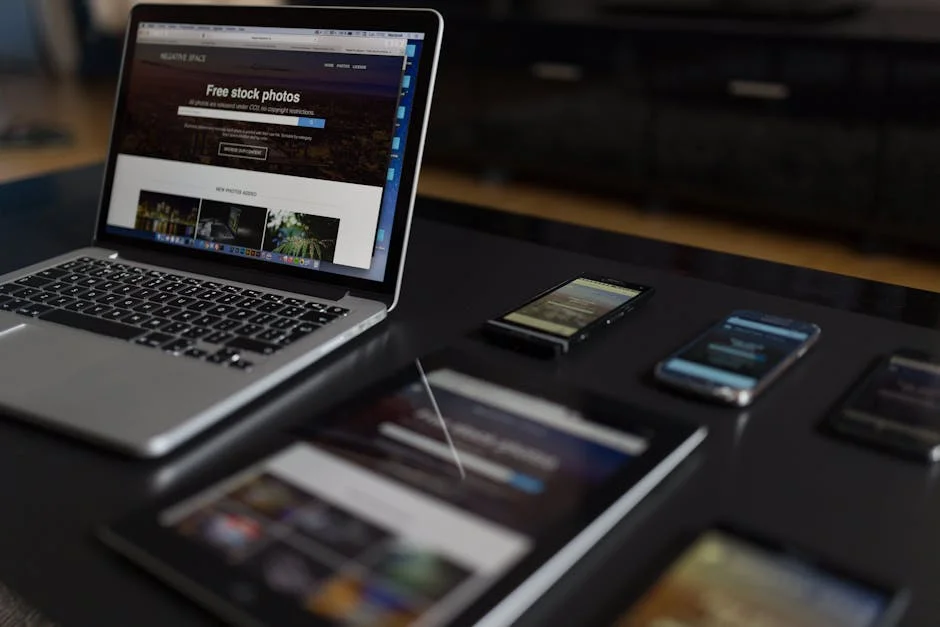
Responsive design is not a feature in Morocco - it is a baseline requirement. 75-80% of Moroccan web traffic is mobile, predominantly on mid-range Android devices over 4G connections. A site that is not genuinely mobile-optimized is invisible to the majority of your potential clients.
The Moroccan Mobile Reality
The most common device accessing Moroccan websites is not an iPhone 15 - it is a Samsung Galaxy A-series or equivalent mid-range Android. These devices have 4GB RAM, a mid-range processor, and typically access the web over 4G in urban areas and intermittent connectivity in secondary cities. Your responsive design must perform on these devices, not just on a developer's MacBook in Chrome DevTools device simulation mode.
Mobile-First Is Architecture, Not Just CSS
Responsive design implemented correctly means designing for mobile first and progressively enhancing for desktop - not building a desktop site and adding media queries to break it down. This distinction has practical consequences: navigation patterns, image sizes, form design, and CTA placement all differ between mobile-first and "responsive afterthought" implementations. A contact form with 8 fields that was designed for desktop and compressed into mobile is a conversion killer.
Touch Targets and Moroccan UX Patterns
Minimum touch target size for mobile interaction is 48×48 pixels. WhatsApp click-to-chat buttons should be prominent and finger-friendly - this is often the highest-converting element on a Moroccan professional services site. Phone number links (tel: href) should be clickable throughout the site. Arabic content sections require RTL text direction that does not break adjacent French LTR content.
Testing Real Device Performance
Google PageSpeed Insights and Lighthouse provide simulated mobile scores. Real user measurement (via Google Search Console's Core Web Vitals report, which reflects actual Chrome user data from Moroccan visitors) is the authoritative source. A site scoring 60 on Lighthouse simulation may score 45 on real Moroccan devices - or 75 if the simulation was pessimistic. Use both.
FAQ
Should I build a separate mobile site or a responsive one?
Responsive single site, always. Separate mobile sites (m.yoursite.com) create duplicate content SEO problems, require double maintenance, and result in inconsistent user experience. Google's mobile-first indexing means your responsive mobile version is what Google evaluates for all rankings.
How do I test my site on Moroccan mobile devices?
BrowserStack allows testing on real Android devices. Google Search Console's Core Web Vitals report shows actual performance data from real Moroccan users once you have sufficient traffic. For pre-launch testing, use Chrome DevTools with a Moto G4 profile at "Fast 3G" - this approximates a typical Moroccan mobile experience.
Have a website or web application project?
Get a free, detailed and non-binding quote within 24 hours. Let's discuss your goals and the best technical solution for your business.